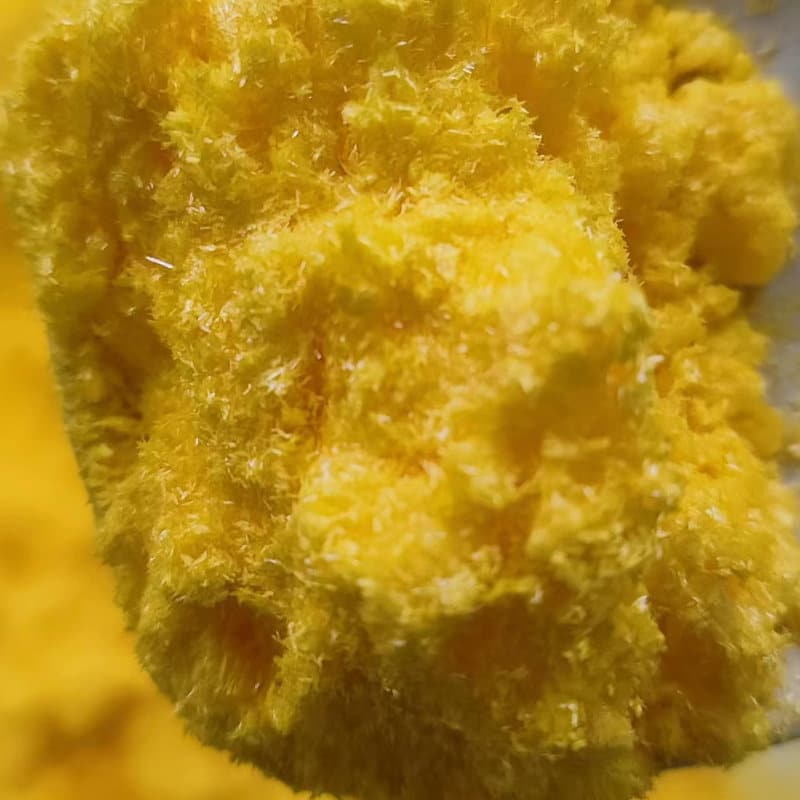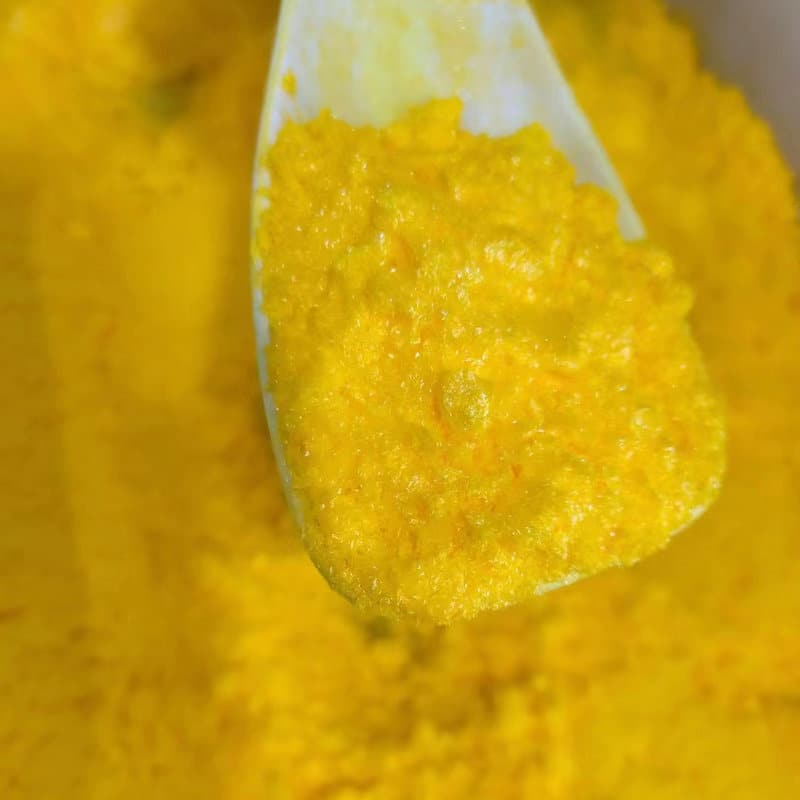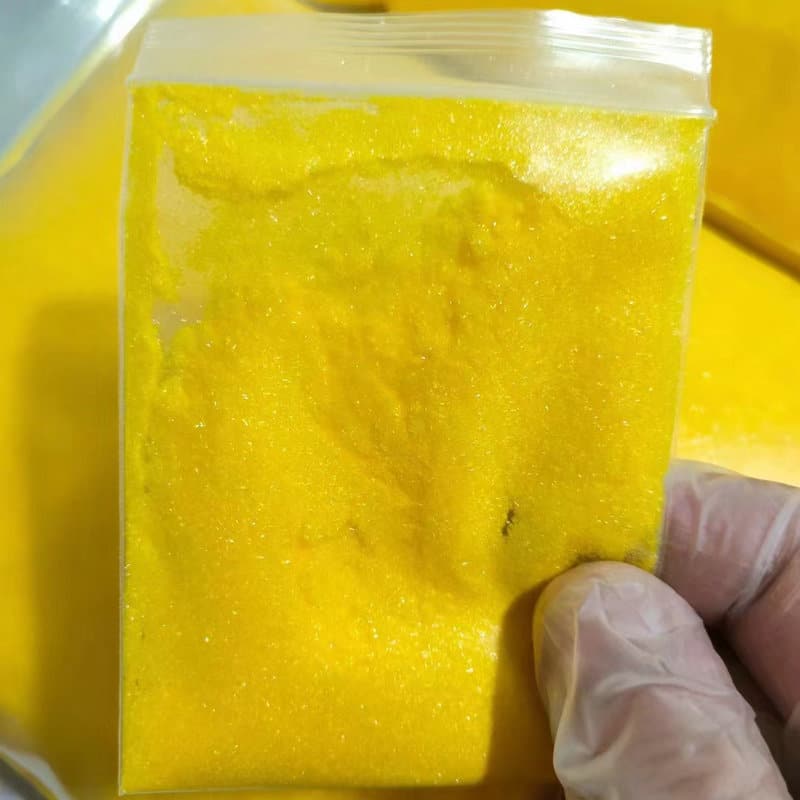
Is Retinal or Retinol Stronger? A Science-Based Comparison
Is retinal or retinol stronger? Retinal (retinaldehyde) is generally considered more potent than retinol because it requires only one conversion step to become retinoic acid, the biologically active form of vitamin A in the skin. Retinol must undergo two conversion steps before reaching that same form.
However, greater biological potency does not automatically mean that every retinal skincare product will produce better or faster visible results than every retinol product. Concentration, formulation, ingredient stability, skin penetration, and individual tolerance all influence performance.
Both ingredients belong to the retinoid family and are commonly used in skincare products targeting fine lines, uneven skin texture, and signs of photoaging. Understanding their differences can help you choose a suitable ingredient without relying on exaggerated marketing claims.
1. Retinal vs Retinol: Which Is Stronger?
Retinal is generally stronger than retinol in terms of biological activity. The main reason is its position in the vitamin A conversion pathway.
When applied to the skin, these ingredients undergo enzymatic conversion toward retinoic acid. Retinal is closer to that active metabolite than retinol.
A study published in the Journal of Investigative Dermatology examined the biological effects of several vitamin A derivatives on human skin. Based on induction of a retinoid-responsive marker, retinaldehyde demonstrated greater activity than retinol under the experimental conditions.
This supports the distinction between their biological potency, although it does not establish a universal numerical strength ratio for all commercially available formulations.
2. Why Is Retinal Stronger Than Retinol?
The primary difference lies in how the skin metabolizes the two ingredients.
Retinol Requires Two Conversion Steps
Retinol is first converted into retinaldehyde, which is then converted into retinoic acid through enzyme-mediated oxidation.
The simplified pathway is:
Retinol → Retinal (Retinaldehyde) → Retinoic Acid
Retinol therefore requires two oxidation steps to reach retinoic acid.
Retinal Requires Only One Conversion Step
Retinal, also called retinaldehyde, is already the intermediate compound in this pathway.
Its simplified conversion process is:
Retinal → Retinoic Acid
Because retinal is one metabolic step closer to retinoic acid, it has the potential to produce stronger retinoid-related biological effects under comparable conditions.
Nevertheless, conversion efficiency varies depending on skin biology, enzyme activity, product delivery systems, and formulation characteristics.
3. Retinal vs Retinol: Key Differences
| Feature | Retinal (Retinaldehyde) | Retinol |
|---|---|---|
| Chemical family | Vitamin A derivative / retinoid | Vitamin A derivative / retinoid |
| CAS Number | 116-31-4 | 68-26-8 |
| Molecular Formula | C20H28O | C20H30O |
| Molecular Weight | 284.44 g/mol | 286.46 g/mol |
| Conversion to Retinoic Acid | One oxidation step | Two oxidation steps |
| General Biological Potency | Higher in certain comparative studies | Lower in certain comparative studies |
| Expected Visible Results | Potentially faster, but not guaranteed | Gradual and formulation-dependent |
| Irritation Potential | Can cause dryness and irritation | Can cause dryness and irritation |
| Best Suited For | Users seeking a potentially more active cosmetic retinoid | Users seeking a widely available retinoid with flexible formulation options |
Important: The relative strength of these molecules should not be confused with the effectiveness of finished skincare products. A well-formulated retinol cream may outperform a poorly stabilized retinal serum.
4. Is Retinal 10 Times Stronger Than Retinol?
Some skincare advertisements describe retinal as being approximately 10 times stronger than retinol.
However, there is insufficient consistent clinical evidence to support a universal 10:1 potency ratio across skincare products.
Such comparisons can be misleading because biological activity depends on multiple variables, including:
The concentration of the active ingredient.
The stability of retinal or retinol during storage.
The delivery system and skin penetration.
The experimental outcome used to define potency.
The frequency and duration of application.
Individual skin metabolism and tolerance.
For example, a human skin study published in 1997 found that retinaldehyde and retinol were biologically active at different concentrations in a specific experimental model. The authors used induction of retinoic acid 4-hydroxylase activity as their endpoint.
Those measurements cannot be directly translated into a fixed ratio for wrinkle reduction, acne improvement, or overall cosmetic performance.
The scientifically defensible conclusion is that retinal generally has greater biological activity than retinol, but its exact advantage in finished products cannot be expressed as a single universal multiplier.
5. Does Retinal Work Faster Than Retinol?
Retinal may produce visible effects more efficiently because it requires fewer metabolic conversion steps before becoming retinoic acid.
However, the available clinical evidence does not establish that retinal always works faster than retinol at all concentrations and in all formulations.
How Long Does Retinol Take to Work?
Retinol-related improvements generally develop gradually with consistent application.
One clinical investigation published in the Journal of Cosmetic Dermatology reported improvements in facial wrinkle appearance after 12 weeks of treatment with a retinol formulation.
Results depend on the specific formula, skin condition, application frequency, and measured outcome.
How Long Does Retinal Take to Work?
Clinical studies have also demonstrated improvements in photoaged skin following retinaldehyde treatment.
In a controlled study published in the Journal of the American Academy of Dermatology, researchers evaluated a 0.05% retinaldehyde cream in individuals with facial photodamage.
Significant changes in wrinkle and roughness measurements were observed after 18 weeks of treatment.
Importantly, this study compared retinaldehyde with retinoic acid and a vehicle formulation, not directly with retinol.
Therefore, it supports the potential effectiveness of retinaldehyde but cannot establish that retinal produces visible results faster than retinol in every situation.
6. Is Retinal Better Than Retinol for Wrinkles?
Retinal may be a useful option for people looking to address visible signs of photoaging, including fine lines and uneven skin texture.
Both retinal and retinol can be converted into retinoic acid, which participates in processes related to skin renewal and collagen regulation.
Research has demonstrated that topical retinaldehyde can improve certain measurements of photodamaged skin. Separate studies have also reported improvements following treatment with retinol-containing products.
However, the strength of the overall clinical evidence varies between studies, and direct, high-quality comparisons remain limited.
For this reason, it is not scientifically accurate to conclude that retinal is always superior to retinol for wrinkle reduction.
When choosing between them, consumers should consider formulation quality, concentration, skin tolerance, and consistent use rather than ingredient potency alone.
7. Is Retinal Stronger Than Retinol for Acne?
Retinoids are important ingredients in acne treatment because certain members of this chemical family help regulate follicular keratinization and reduce the formation of clogged pores.
However, the evidence supporting individual retinoids differs considerably.
Prescription tretinoin and certain topical retinoid medications have substantially more established clinical evidence for acne treatment than cosmetic retinal or retinol formulations.
Although retinaldehyde has been investigated for biological activities relevant to skin health, evidence remains insufficient to establish that cosmetic retinal is consistently more effective than retinol for treating acne.
Individuals with persistent inflammatory acne, painful lesions, or acne scarring should seek advice from a qualified dermatologist rather than relying on ingredient strength comparisons.
8. Is Retinal More Irritating Than Retinol?
Not necessarily.
Retinal has greater biological activity in certain experimental comparisons, but this does not mean every retinal product is more irritating than every retinol product.
Both ingredients may cause:
Skin dryness or tightness.
Redness and temporary irritation.
Flaking or peeling.
Burning or stinging sensations.
Increased sensitivity when used improperly.
The risk of irritation depends on concentration, product formulation, frequency of use, skin barrier condition, and the simultaneous use of other irritating skincare products.
Clinical investigations have found that appropriately formulated retinaldehyde preparations can be well tolerated.
For example, a study published in the Journal of Investigative Dermatology reported favorable tolerance of 0.05% and 0.1% retinaldehyde preparations in the populations studied.
However, these findings do not guarantee that all retinal products are suitable for sensitive skin.
9. Should Beginners Use Retinol or Retinal?
For individuals who have never used a retinoid before, a lower-strength retinol formulation may be a practical starting option because a wide variety of products and concentrations are available.
However, there is no universal rule requiring every beginner to use retinol before trying retinal.
A suitably formulated, low-concentration retinal product may also be appropriate for some users, provided it is introduced gradually and tolerated well.
How to Introduce a Retinoid Safely
Start slowly: Consider applying a small amount two or three evenings per week, adjusting according to skin tolerance and product directions.
Apply to dry skin: Follow the manufacturer's instructions and avoid irritated or damaged areas.
Use a moisturizer: Supporting the skin barrier may reduce dryness and discomfort.
Avoid unnecessary combinations: Introducing multiple retinoids or strong exfoliating products simultaneously may increase irritation.
Protect skin from sunlight: Use broad-spectrum SPF 30 or higher sunscreen during the day.
Monitor your skin: Reduce frequency or discontinue use if persistent irritation develops.
Pregnant individuals or those trying to conceive should avoid retinoid skincare products unless advised otherwise by an appropriately qualified healthcare professional.
10. Can You Use Retinal and Retinol Together?
It is generally unnecessary to apply retinal and retinol together in the same skincare routine.
Both ingredients belong to the same retinoid family and are metabolically connected.
Using both at once does not guarantee stronger benefits. Instead, layering multiple retinoids can increase the risk of irritation, dryness, and impaired skin barrier tolerance.
For most consumers, choosing one appropriately formulated retinoid and using it consistently is a more practical strategy.
If switching from retinol to retinal, introduce the new ingredient gradually rather than immediately adding it on top of the existing routine.
11. Retinal vs Retinol: Which Should You Choose?
The best option depends on your experience with retinoids, individual sensitivity, and skincare objectives.
| Your Skincare Situation | Practical Consideration |
|---|---|
| First-time retinoid user | Consider a lower-strength, well-formulated retinol or retinal product. |
| Experienced retinol user | Retinal may be an option when seeking a different retinoid formulation. |
| Concerned about fine lines | Both may help; product evidence and tolerance matter more than marketing claims. |
| Sensitive or easily irritated skin | Prioritize tolerability, cautious introduction, and dermatologist advice if needed. |
| Persistent or moderate-to-severe acne | Consult a dermatologist about treatments with established acne-specific evidence. |
12. Frequently Asked Questions
Is retinal stronger than 1% retinol?
Retinal has the potential for greater biological activity, but a product containing retinal cannot automatically be considered stronger than a 1% retinol product without knowing the retinal concentration, formulation, stability, and method used to compare effectiveness.
Is 0.1% retinal stronger than 0.1% retinol?
At the same nominal concentration, retinal is generally considered the more biologically active molecule. However, equal percentages do not guarantee equal delivery into the skin or predictable differences in clinical outcomes.
Is retinal better than retinol for sensitive skin?
Neither ingredient is universally better for sensitive skin. Some retinal formulations are well tolerated, while certain retinol products may also cause substantial irritation. The overall formulation and individual response are critical.
Is retinal the same as tretinoin?
No. Retinal, also known as retinaldehyde, is a precursor of retinoic acid. Tretinoin is all-trans retinoic acid itself. They are chemically related but are different compounds.
Is retinal a retinoid?
Yes. Retinal is a vitamin A-derived compound belonging to the retinoid family. Retinol, retinaldehyde, retinoic acid, and several retinyl esters are all related compounds within this broader category.
Does stronger retinal mean better results?
Not necessarily. A product that is too irritating may be difficult to use consistently. Effective skincare requires a balance between biological activity, delivery, stability, skin tolerance, and appropriate application.
Can I use retinal every night?
Some individuals can eventually tolerate nightly use of an appropriately formulated retinal product. However, frequency should be increased gradually according to skin response and the product's instructions. Nightly use is not necessary for everyone.
13. Final Verdict: Is Retinal or Retinol Stronger?
Retinal is generally stronger than retinol at the molecular and biological activity level because it is one conversion step closer to retinoic acid.
This distinction is supported by research on vitamin A metabolism and comparative studies of retinoid-responsive biological markers in human skin.
However, the practical effectiveness of a retinal or retinol skincare product cannot be predicted from the conversion pathway alone.
Retinal may be an attractive choice for experienced retinoid users seeking a potentially more active cosmetic ingredient. Retinol remains a widely available option with extensive formulation experience and established biological activity.
The best retinoid is not necessarily the strongest one. It is the one supported by appropriate evidence, formulated effectively, and tolerated well enough for consistent use.
14. Scientific References
Sorg O, et al. Use of Retinoids in Topical Antiaging Treatments: A Focused Review of Clinical Evidence for Conventional and Nanoformulations. 2022. Read the scientific review.
Saurat JH, et al. Topical Retinaldehyde on Human Skin: Biologic Effects and Tolerance. Journal of Investigative Dermatology. 1994. PubMed.
Duell EA, Kang S, Voorhees JJ. Unoccluded Retinol Penetrates Human Skin In Vivo More Effectively Than Unoccluded Retinyl Palmitate or Retinoic Acid. Journal of Investigative Dermatology. 1997. PubMed.
Creidi P, et al. Profilometric Evaluation of Photodamage After Topical Retinaldehyde and Retinoic Acid Treatment. Journal of the American Academy of Dermatology. 1998. DOI.
Kong R, et al. A Comparative Study of the Effects of Retinol and Retinoic Acid on Histological, Molecular, and Clinical Properties of Human Skin. Journal of Cosmetic Dermatology. 2016. PubMed.
American Academy of Dermatology. Retinoid or Retinol? Dermatologist guidance.
American Academy of Dermatology. Dermatologist-Approved Pregnancy Skin Care. Pregnancy skincare guidance.
Disclaimer: This article is provided for educational purposes and does not replace individualized medical or dermatological advice.